Understanding AI Photo Editors: An Overview
In today's visually-driven world, the demand for high-quality images has soared, propelling the evolution of design tools. AI photo editors have emerged as powerful resources, harnessing the capabilities of artificial intelligence to streamline the photo editing process. By automating tedious tasks and introducing innovative features, these tools are revolutionizing how designers and everyday users create stunning visuals. When exploring options, ai photo editor offers a comprehensive platform to enhance your creative projects effortlessly.
What is an AI Photo Editor?
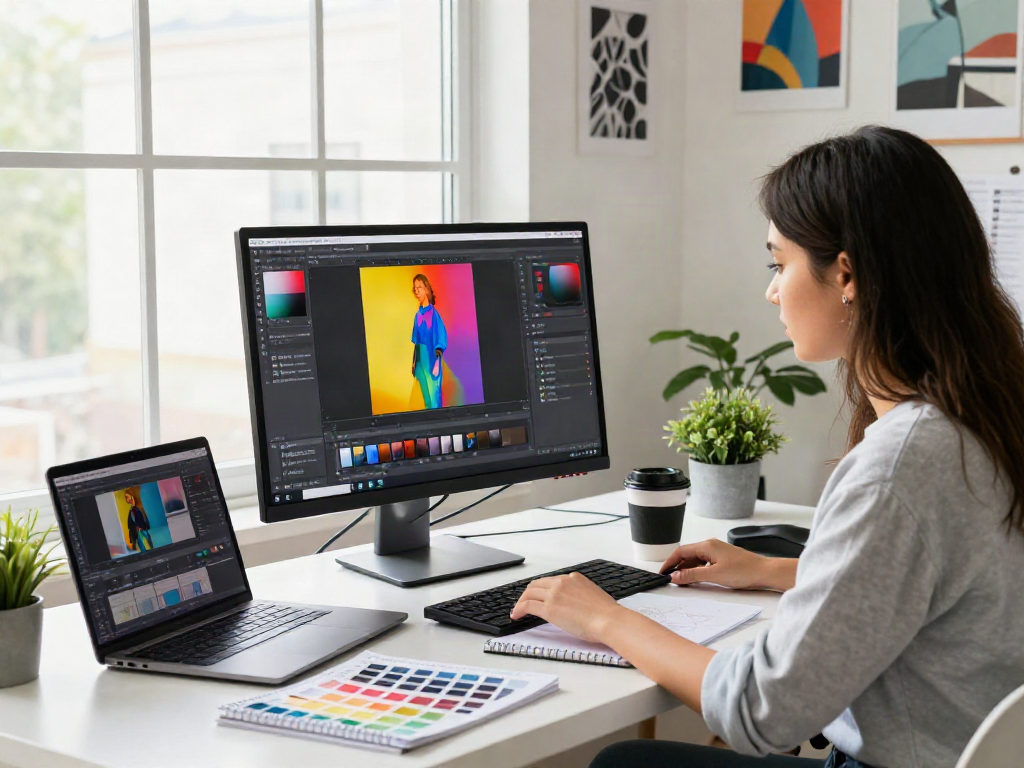
AI photo editors utilize machine learning algorithms and artificial intelligence to simplify various editing tasks. Unlike traditional photo editors, which rely heavily on manual input, these modern tools can automatically adjust images, apply filters, and even generate new content based on user preferences. They assess various aspects of a photo—such as lighting, color balance, and subject recognition—to apply edits that enhance the overall aesthetic, often with just a few clicks.
Key Features of AI Photo Editors
- Automatic Enhancements: Quickly adjust brightness, contrast, and saturation based on intelligent analysis.
- Content Aware Fill: Remove unwanted objects from photos seamlessly.
- Style Transfers: Apply artistic styles or filters that mimic famous artworks.
- Image Upscaling: Increase resolution without losing quality using deep learning techniques.
- Facial Recognition: Automatically enhance portraits by softening skin and adjusting facial features.
How AI Photo Editors Differ from Traditional Tools
Traditional photo editing software requires extensive user knowledge and manual skills. While these programs offer robust features, they often demand significant time investment to achieve desired results. In contrast, AI photo editors reduce the complexity of the editing process, allowing users with little to no experience to create professional-looking images. The application of AI not only speeds up workflows but also provides intuitive suggestions, making it easier for users to explore their creativity.
The Benefits of Using an AI Photo Editor
Time-Saving Features and Automation
One of the most significant advantages of AI photo editors is their ability to save time. Tasks that traditionally took hours can now be completed in minutes, thanks to automation. For instance, batch processing features allow users to apply the same edits to multiple images simultaneously, making it a breeze to prepare a series of photos for a project or social media campaign.
Enhanced Creativity and Design Capabilities
AI photo editors often include features that enhance creativity. Users can experiment with various styles and effects without the risk of ruining their original images. This freedom encourages experimentation, allowing both novice and experienced designers to push the boundaries of their creativity. The ability to generate multiple iterations of an image can lead to unexpected and innovative outcomes.
Cost-Effectiveness for Designers and Businesses
For businesses and freelance designers, the cost-effectiveness of AI photo editors cannot be overstated. Many tools offer subscription models or free tier options without sacrificing essential features. By reducing the need for extensive training and minimizing the time spent on projects, these tools can significantly cut costs associated with design workflows.
How to Choose the Right AI Photo Editor
Key Considerations for Selecting Software
When selecting an AI photo editor, consider the following factors:
- User Interface: A clean, intuitive interface enhances usability.
- Feature Set: Ensure the software includes the tools you need for your projects.
- Integration: The ability to integrate with existing workflows or other software you use can streamline operations.
- Support and Resources: Good customer support and available learning resources can help you maximize your use of the software.
Comparing Popular AI Photo Editors
Several AI photo editors are leading the market today. Tools like Adobe Photoshop’s AI features and Luminar AI are popular for their advanced capabilities. Compare their features, pricing, and user feedback to determine the best fit for your needs. Look for customizable options and community support as additional criteria in your decision process.
User Reviews and Community Feedback
User reviews provide valuable insights into how well an AI photo editor performs in real-world scenarios. Explore forums and social media to gauge user satisfaction, common issues, and tips for maximizing the software’s potential. Engaging with a community can also offer support and spark ideas for new ways to use the tool effectively.
Best Practices for Utilizing AI Photo Editors
Creating Effective Workflows with AI Tools
To get the most out of an AI photo editor, establish a consistent workflow. Start by organizing your images effectively and identifying the types of edits you frequently apply. Using presets and batch processing features can further streamline your process, allowing you to focus on creativity over repetitive tasks.
Combining AI Features with Traditional Techniques
While AI photo editors are powerful, combining their features with traditional techniques can yield the best results. Use AI to handle repetitive tasks, while applying your creative vision through manual adjustments. This hybrid approach allows for more personalized outcomes and the preservation of artistic intent.
Real-World Case Studies of Successful Use
Many professionals and businesses have embraced AI photo editing to enhance productivity and creativity. For instance, a popular fashion brand utilized AI tools to generate consistent visual assets across its social media platforms, significantly reducing turnaround time. Another photographer streamlined their editing process for weddings, enabling them to deliver high-quality images to clients faster than ever before.
The Future of AI in Photo Editing
Emerging Trends and Technologies for 2026
As we look towards 2026, several trends in AI photo editing are emerging. One notable trend includes the increased use of virtual reality and augmented reality in editing, allowing users to visualize changes in real-time within a simulated environment. Additionally, personalized AI tools that adapt to user preferences are becoming more prevalent, making the editing experience more intuitive and tailored.
Predictions for AI Photo Editors in the Design Industry
The design industry is set to experience a significant transformation as AI technologies continue to evolve. We can expect more collaborative tools where designers and AI can work together, creating a hybrid model of design that enhances both creativity and efficiency. Tools will likely become more specialized, catering to niche markets and offering tailored solutions for users.
Preparing for the Next Evolution of AI Tools
To prepare for the future of AI in photo editing, professionals should stay informed about the latest advancements and actively engage with emerging technologies. Continuous learning through online courses and participation in relevant forums can equip designers with the skills needed to leverage new tools effectively. Being adaptable and open to change will be essential for success in this evolving landscape.
What features should I look for in an AI photo editor?
When selecting an AI photo editor, ensure it includes essential features like automatic enhancements, content-aware tools, and versatile style options. The ability to process images quickly and provide integration with other software is also valuable.
Can AI photo editors replace traditional editing software?
While AI photo editors can perform many tasks traditionally handled by manual editing, they are best viewed as complementary tools. Professionals often benefit from using both AI features and traditional techniques to achieve their desired outcomes.
How can I enhance my design workflow using AI?
Enhance your workflow by incorporating AI tools that automate repetitive tasks. Use batch processing for multiple images and explore presets to maintain consistency across your projects.
What are common misconceptions about AI in photo editing?
Many believe AI photo editors are only for beginners or lack the sophistication of traditional tools. In reality, these tools can perform complex tasks and are useful for professionals looking to enhance their efficiency.
What are the best AI photo editors available today?
Some of the best AI photo editors include Adobe Photoshop with AI features, Luminar AI, and Topaz Labs. Each offers unique capabilities that cater to different user needs, so consider your specific requirements when selecting a tool.