
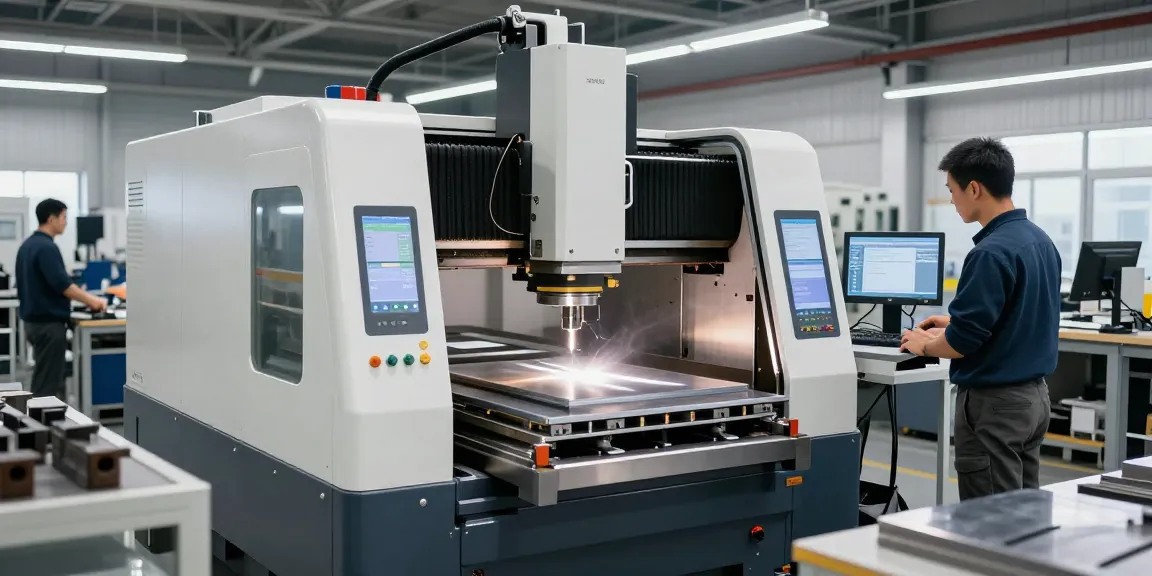
Understanding Hydraulic CNC Press Brake Machines
Hydraulic CNC press brake machines represent a key technology in the world of modern manufacturing. Combining precision engineering with advanced computing capabilities, these machines are essential for shaping and bending metal components with high efficiency and accuracy. Equipped with features like automated controls and real-time feedback systems, they provide manufacturers with the means to enhance their production processes. When exploring options, hydraulic cnc press brake machine offerings can provide comprehensive insights into the capabilities and specifications you should consider.
What is a Hydraulic CNC Press Brake Machine?
A hydraulic CNC press brake machine is a sophisticated piece of machinery used primarily for bending and forming sheet metal. Utilizing hydraulic pressure and a computer numerical control (CNC) interface, these machines offer unparalleled precision and repeatability in the bending process. The hydraulic system powers the ram that performs the bending operation, while the CNC controller enables operators to program the equipment for various bending tasks, effectively eliminating manual adjustments and errors.
Key Components and Technology
The fundamental components of a hydraulic CNC press brake machine include the hydraulic cylinder, ram, tooling, back gauge, and the CNC control system. The hydraulic cylinder generates the necessary force to bend materials, while the ram’s movement is controlled by the CNC system. Tooling options may vary based on application requirements, allowing the machine to bend various metal types, including steel, aluminum, and brass. Furthermore, advances in CNC technology, such as enhanced touch screen interfaces and programmable automation features, have significantly enhanced the efficiency and user-friendliness of modern press brakes.
Applications in Modern Manufacturing
Hydraulic CNC press brakes find application across various sectors including automotive, aerospace, electronics, and general manufacturing. They are used to produce everything from automotive parts and structural components to intricate housings for electronic devices. The versatility of these machines makes them indispensable in factories looking to maintain competitive edge through speed and quality of production.
Configuration and Features of Hydraulic CNC Press Brake Machines
The configuration of hydraulic CNC press brakes can vary significantly, impacting their operational capabilities and suitability for various tasks. Understanding the difference between standard and advanced configurations is crucial for making an informed purchasing decision.
Standard vs. Advanced Configurations
Standard configurations typically include a basic CNC system that can control up to four axes (Y1, Y2, X, R) for relatively simple bending operations. Advanced configurations, however, can support multiple optional axes (such as V), enabling more complex operations like table crowning and dynamic back gauge adjustments, which are essential for precision bending of thicker materials or more intricate shapes.
Safety Features and Automation Options
Safety is paramount in CNC operations, and hydraulic press brakes are no exception. Modern machines come equipped with numerous safety features, including light curtains, safety interlocks, and emergency stop mechanisms. Automation options, such as robotic arms for handling materials and automated tool changers, further streamline the operation while ensuring operator safety.
Energy Efficiency and Cost-Effectiveness
Energy efficiency is an increasingly important consideration in manufacturing. Many hydraulic CNC press brake machines now come with energy-saving features, such as servo motors and optimized hydraulic systems, that can lead to reduced operational costs. By minimizing energy consumption while maintaining performance, these machines offer a more sustainable solution for industrial production.
Implementation and Best Practices for Hydraulic Press Brakes
Implementing hydraulic CNC press brake technology effectively requires careful planning and adaptation to meet the specific needs of manufacturing operations.
Choosing the Right Hydraulic CNC Press Brake for Your Needs
Selecting the right hydraulic CNC press brake involves evaluating factors such as material type, thickness, bending complexity, and desired production speed. Manufacturers should consider options that offer flexibility and scalability, allowing them to adapt as production requirements change over time.
Integration with Industry 4.0 Standards
As manufacturing moves towards increased automation and connectivity, integrating hydraulic CNC press brakes with Industry 4.0 standards is becoming essential. This includes the use of IoT sensors for monitoring machine performance and predictive maintenance, which can help avoid downtime and improve overall operational efficiency.
Common Challenges and Solutions in Operation
Like any complex machine, hydraulic CNC press brakes come with their own set of challenges. Common issues include misalignment, incorrect tool setup, or inadequate maintenance, which can lead to inaccurate bends or damage to components. Regular training for operators, coupled with a robust maintenance schedule, can mitigate these risks effectively.
Future Trends in Hydraulic CNC Press Brake Technology
The landscape for hydraulic CNC press brakes continues to evolve as technology advances and new manufacturing methodologies emerge.
Emerging Technologies Impacting Press Brake Machines
New technologies such as augmented reality (AR) for training and troubleshooting, and advanced simulation software for pre-production planning, are transforming how hydraulic CNC press brakes are utilized. These tools can facilitate rapid prototyping and reduce lead times, ultimately enhancing manufacturing flexibility and responsiveness.
The Role of AI and Machine Learning
AI and machine learning are set to revolutionize the capabilities of hydraulic CNC press brakes by enabling predictive analytics and smart monitoring systems. Such technology allows for real-time adjustments and optimizations during production, reducing waste and improving quality control.
Sustainability and Eco-friendly Manufacturing Innovations
Sustainability practices are becoming integral to operations within manufacturing. Innovations in hydraulic press technology that reduce overall energy consumption and allow for the recycling of materials are gaining traction. Such practices not only meet regulatory requirements but also enhance a manufacturer’s public image as a responsible entity.
Getting Started: Resources and Support
To maximize the effectiveness and return on investment of hydraulic CNC press brakes, companies should seek out reliable resources and support systems.
Finding Reliable Manufacturers and Suppliers
Finding reputable manufacturers and suppliers is critical. Vet potential partners thoroughly, looking for industry certifications, customer reviews, and after-sales service offerings to ensure quality and reliability.
Training and Support for Operators
Ensuring that operators are adequately trained is essential for the successful operation of hydraulic CNC press brakes. Many manufacturers offer training programs that include practical experience alongside theoretical knowledge, equipping staff with the skills they need to maximize machine capabilities.
Networking with Industry Experts
Engaging with industry experts and professionals through forums, conferences, and online platforms can provide valuable insights into best practices and upcoming technological trends in the hydraulic press brake sector.
FAQs
What factors influence the price of hydraulic CNC press brakes?
Factors influencing price can include the machine’s size, specifications, additional features, and brand reputation. Machines with advanced technologies and automation options tend to cost more but often provide better value through enhanced operational efficiency.
How can automation improve the efficiency of press braking operations?
Automation enhances efficiency by streamlining operations, reducing the need for manual labor, and decreasing cycle times. Robotic systems can handle material loading and unloading, allowing press brakes to operate continuously without interruptions.
What maintenance practices are essential for hydraulic CNC press brakes?
Regular maintenance practices should include routine inspections of hydraulic fluid levels, checking the alignment of components, and lubrication of moving parts. Implementing a preventative maintenance schedule can significantly enhance machine longevity and performance.


